

Parents often say it feels like the old rites of passage have faded or lost their spark.
Thankfully, many remain. There’s still the first driver’s license, the cap tossed skyward at graduation, the first heartbreak, the first day of college when life is full of possibility.
And this the growing-up milestones that hit every generation in the heart—the ones with rhythm, melody, and emotion. Music remains the one shared experience that never loses its charge or the thrilling moments of maturing and independence.
The sweat and chaos of a first concert at The Catalyst where you come home happy with ears ringing, or the freedom of first-time record shopping alone, browsing the used bins at Streetlight Records. Parents and teenagers have shared the same joy and connection at a summer show on The Boardwalk, grooving to an 80s band that peaked before the kids were born.
DISCOVERING THAT MUSIC IS INHERITED
Generations also share another experience—a similar moment of revelation—the day they realize their parents’ music wasn’t uncool after all. Kids in the 70s stumbled into Sinatra, Elvis, and Ritchie Valens and found the groove still swinging. Kids in the 90s rediscovered Led Zeppelin and Queen, hearing the thunder fresh. Millennials looked back and claimed Nirvana, Soundgarden, and Chris Cornell as if they’d been waiting for them all along.
Now you can watch it happen in real time, as thousands of rock music “reaction” videos flood YouTube—young listeners discovering Genesis, Pink Floyd, or Metallica for the first time, while the comment sections turn into one long family reunion of grateful Boomers and Gen Xers cheering them on. The surprise is always the same: this still moves people.
And as much as young people may delight in shocking their elders and having music and styles of their own, there’s no denying that appreciation, acceptance, and connection always feel good, while disparagement, rejection, and misunderstanding can hurt. That goes in both directions, young and old.
WHEN GENERATIONS MEET IN LAUGHTER
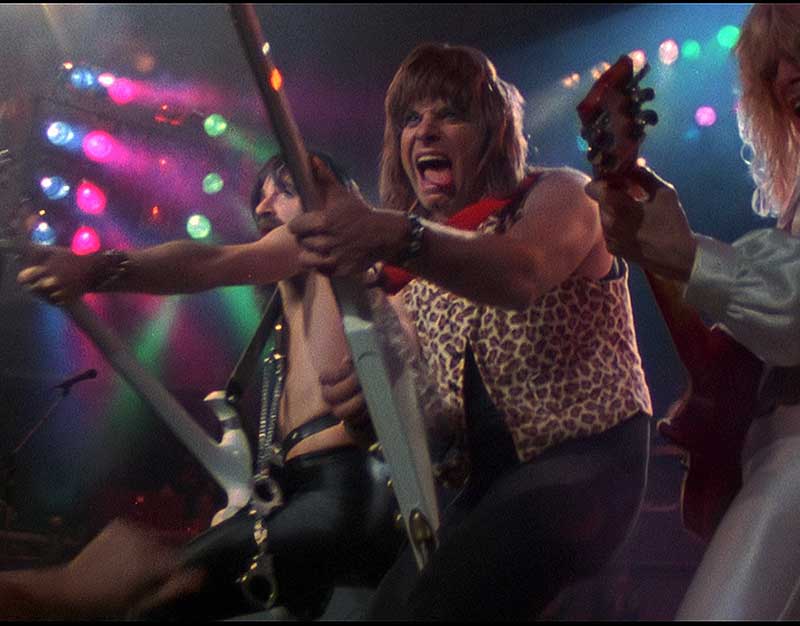
The long-overdue sequel to the classic mockumentary “This Is Spinal Tap” offers another opportunity to bridge generations with music—and this time, with laughter. Parents get to laugh at the glorious excess of the bands they once worshiped; kids get to tease them—and themselves—for loving music loud, weird, and sincere. It’s communion and inheritance with unashamed irreverence, with the beautiful madness of cranking up an absurdly huge Marshall stack.
REACTIONS, SHARED RITES
For first-timers and rewatchers alike, the original This Is Spinal Tap is parent-kid catnip: the kind of movie where two eras laugh for different reasons and meet in the middle. Parents get the inside jokes and band clichés; kids discover how lovingly the film roasts rock while still believing in it. That shared grin is the point—this is what music culture looks like when we can laugh at it together.
Letting a teen in on Tap’s sly, often raunchy humor is its own rite of passage—permission to be in on the joke with the adults, not protected from it. It’s not about crudity for its own sake; it’s about finally speaking the same comic language.
The new sequel, Spinal Tap II: The End Continues, builds on that dynamic. Watch it together and compare notes: was it as funny? Often, yes—but in a different register. The sequel leans into getting older, what it means to outlive your moment and keep chasing the noise anyway. Many jokes still go to eleven, but there’s an extra wink about aging, reinvention, and holding onto dreams that no longer promise wealth and glory.
The movie sprinkles callbacks that everyone can spot: the infamous “Stonehenge”, the eternal drummer curse, and plenty of self-aware nods to modern fame and fading glory. And when Paul McCartney and Elton John appear, it’s more than celebrity seasoning—it’s a symbolic handshake between rock canon and rock parody. They bless the absurd, turning it into something heartfelt.
Ultimately, the joy of sharing Spinal Tap—old or new—isn’t just in the jokes. It’s in watching generations recognize the same absurd, beautiful dream: plugging in, turning up, and pretending, if only for a moment, that the music will never end.
BY JOHN LOUIS KOENIG