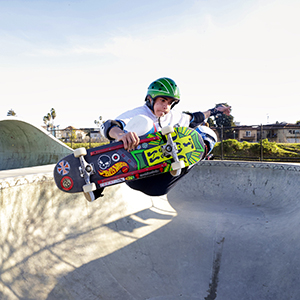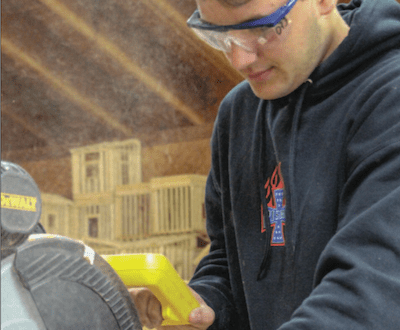
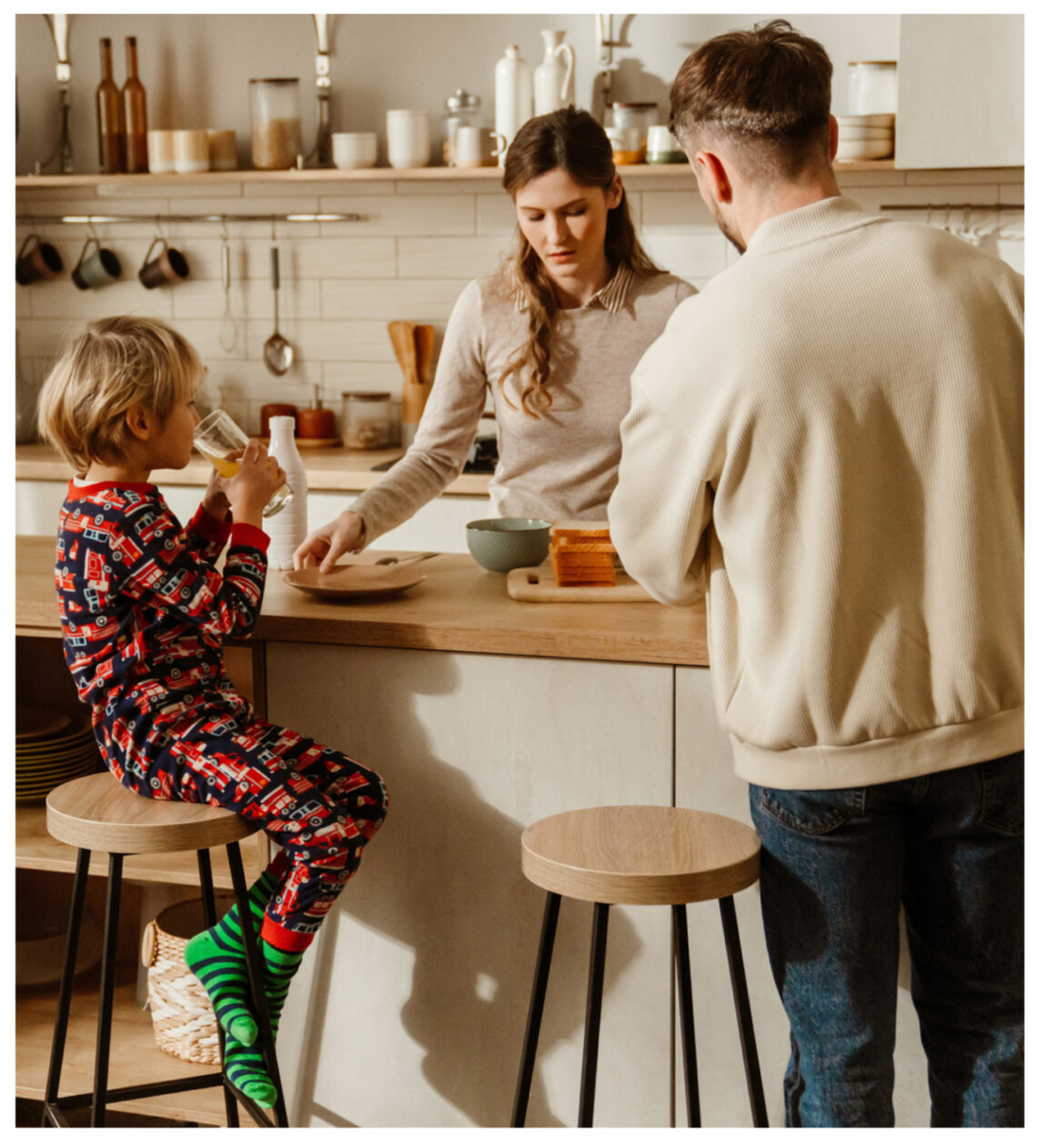
Spring has sprung! As a career preschool teacher, I have noticed a consistent trend when spring arrives with its push for new life. Things are bursting – flower buds, eggs, tree branches, births. Nature is waking up from winter’s slumber. I also see kids feeling the same energetic surge during this season. My schoolyard gets filled with kids running, whooping, and testing their physical limits. And on a windy day…forget about it! Children fully embody the swirling energy like a wind-blown pile of leaves. Those kids are right on the edge, ready to push off into kindergarten soon, and high school seniors are also soon to launch into the next big stage of life, as is nature’s way.
Growth and excited energy, along with eager and anxious feelings, can bring bouts of dysregulation in our kids. This is a time, more than ever, to have those go-to phrases on the tip of your tongue when you are the target of snappy, demanding, rude, disrespectful, out-of-sorts behavior.
Positive Discipline
Social media is quite a monster to tame. Although it has made us highly distractible, it has also created an avenue for important information to be shared, specifically, parenting information. On Instagram (yes, I scroll sometimes), I have been so pleasantly surprised at the high level of parenting advice. Kristen @Wildlyabundantmom is one such woman who shares sound advice based on mutual respect and calm leadership. The training and education I received through Positive Discipline aligns with many parent-advising Instagram posters, but especially this mom.
When Positive Discipline Association founders Jane Nelsen and Lynn Lott settled on a name, picking something generic was intentional. It’s an inclusive name. Whether the words are capitalized or lowercase, they both share a focus on discipline rooted in an authoritative parenting style that’s neither too permissive and lacking accountability, nor too controlling and lacking emotional connection. This mom may not have been trained in Positive Discipline; nonetheless, she shares discipline guidance that is positive (as well as completely awesome in my book)
10 One-Liners Calm Leaders Say
Now that spring is here, and your kids may be springing forth with wild energy, angry refusals, and rude comments (because they are immature, still learning what respectful behavior looks like, and curious where the boundaries are), here are quick and easy things to say courtesy of Wildly Abundant Mom’s post dated October 12, 2023.
But first!… saying these phrases isn’t enough. Pick a neutral tone, one that an airline pilot uses – calm, clear, and direct. You can be firm if need be. You can be gentle if need be. And you can be both. Assess the situation, know the child’s temperament you are speaking to, and pick your tone accordingly. Resist matching their tone and instead, model respect.
- “I’ll listen when you can say it respectfully.”
- “Let’s take a breath and try that again.”
- “I hear you. You don’t want to. Tell me more.”
- “You’re allowed to be upset. You’re not allowed to be unkind.”
- “We can figure this out together when you’re calm.”
- “Try that again with the tone you’d want me to use with you.”
- “I won’t argue. Let’s pause and come back to this.”
- “I see this is hard. Want help or space first?”
- “I know you don’t feel like it. Let’s start small.”
- “I understand you don’t want to. This isn’t up for debate, but I can help you figure out how to start.”
The post ends with such wise words… “Motherhood (or Fatherhood) isn’t about never getting triggered. It’s about having the tools for when you are.” Wish I’d written that!
Be The Mature One In The Relationship
Having quick, go-to phrases like these on hand, posted on your wall or fridge for easy access, will help you keep your composure. In a nanosecond, our brains will rush to a nasty reaction to the rude, resistant behavior. And now there will be two 5-year-olds or two 16-year-olds yelling at each other as the adult lowers their maturity level to that of their child. Instead, grab a couple of tools to apply to keep you strong and steady in the leadership position, maturely managing your own emotions.
Tool #1: Pause. All you need is a second to stop a reaction so you can switch to a response.
Tool #2: Breathe. One slow breath signals to the brain to stay relaxed, to know this isn’t an emergency. Just some back-talk.
Tool #3: Pick a phrase or two listed in this article. Don’t need to come up with it. It’s already there for you to use.
Tool #4: When caught up in a reaction, disengage. Return when your level of anger or annoyance has gone down several notches.
Tool #5: Have appropriate expectations. Don’t expect kids to make mature choices at all times. Don’t expect yourself to make mature choices at all times, but always be working toward it. Grant your kids and yourself grace when you both miss the mark. Apologize for your part.
Being the more mature one in a heated situation is no easy task. Especially if this was never modeled in your childhood home. When yelling, shaming, and belittling were the norm for you as a child, this may be your go-to reaction when you become a parent, despite the desire to do it differently.
It will take work and dedication for us all to show up respectfully in the face of disrespect. Lucky for us, our kids will offer us lots of opportunities to practice on a daily basis. Day by day, we will work toward imprinting onto our kids what emotional maturity looks like, what calm leadership looks like, what unconditional love looks like.