
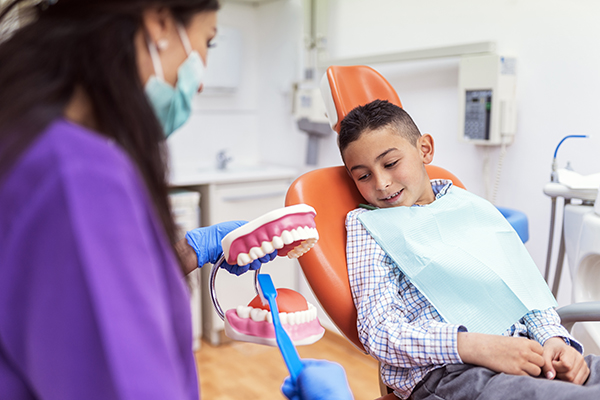

As parents, we spend a lot of time preparing our children for school—getting backpacks and school supplies, packing lunches, and making sure homework gets done. But one important part of back-to-school success is often overlooked: a healthy smile. Good oral health doesn’t just help children avoid cavities; it plays a major role in their ability to learn, grow, and feel confident in the classroom.
Tooth decay is one of the most common chronic diseases among children, yet it is largely preventable. Even a small cavity can become painful if left untreated. When children experience tooth pain, it can make it difficult to concentrate, eat nutritious foods, sleep well, or participate in class. Some children may even miss school because of dental problems or emergency appointments.
Healthy teeth help children do more than smile. They allow kids to chew healthy foods that fuel their growing bodies and developing brains. They also help children speak clearly and build confidence when talking, reading aloud, or making new friends. A healthy smile can positively affect a child’s self-esteem, making them more likely to participate in school activities and social interactions.
The good news is that protecting your child’s oral health doesn’t have to be complicated. Good habits at home, combined with regular dental visits, can make a lasting difference. Start by helping or encouraging (depending on age) your child to brush their teeth twice a day with fluoride toothpaste for two minutes each time. Once teeth begin touching, flossing every day helps remove plaque and food between teeth where a toothbrush can’t reach. Choosing water instead of sugary drinks and limiting sweet snacks also helps reduce the risk of cavities.
Regular dental checkups are just as important. Most children should visit the dentist every six months, even if they are not experiencing pain. These visits allow the dental team to identify small problems before they become larger, more expensive issues. Preventive services such as cleanings, fluoride treatments, and dental sealants help keep teeth strong and healthy throughout the school year.
Parents of younger children should know that dental care begins earlier than many people realize. A child’s first dental visit should take place by their first birthday or within six months after their first tooth appears. Starting dental care early helps children become comfortable with the dentist while giving parents guidance on healthy habits that can prevent cavities from developing.
As children grow older, it’s important to keep reinforcing healthy routines. School schedules become busy with homework, sports, and extracurricular activities, but brushing, flossing, and regular dental visits should remain a priority. Setting a good example by practicing healthy oral habits as a family can make these routines easier to maintain.
If cost is a concern, remember that many children qualify for dental coverage through Medi-Cal. Community dental clinics, like Dientes, provide affordable care through sliding fee scales, helping ensure that every child has access to preventive services and treatment when needed.
A healthy smile is more than just clean teeth—it supports your child’s overall health, confidence, and ability to learn. By making oral health part of your family’s back-to-school routine, you’re giving your child another important tool for success in the classroom and beyond. This school year don’t forget to add one more item to your checklist: schedule your child’s dental visit. A healthy smile can help them start the year feeling their best and ready to learn.
Attention Parents & Caregivers:
Has your child completed their Kindergarten Oral Health Assessment (KOHA) yet?
What is KOHA? To make sure children are school-ready, California law requires a dental check-up by May 31st in either TK, Kinder, or 1st grade, whichever is their first year in public school.
Why is KOHA important? Poor oral health can affect attendance, grades, and overall health. KOHA helps ensure children have a dental home, are healthy, and ready to learn.
What Is Required Of Parents?
- Obtain KOHA forms from your child’s school (usually included in enrollment packet)
- Schedule your child’s dental appointment, bring KOHA form
- Submit completed KOHA form back to school by May 31