
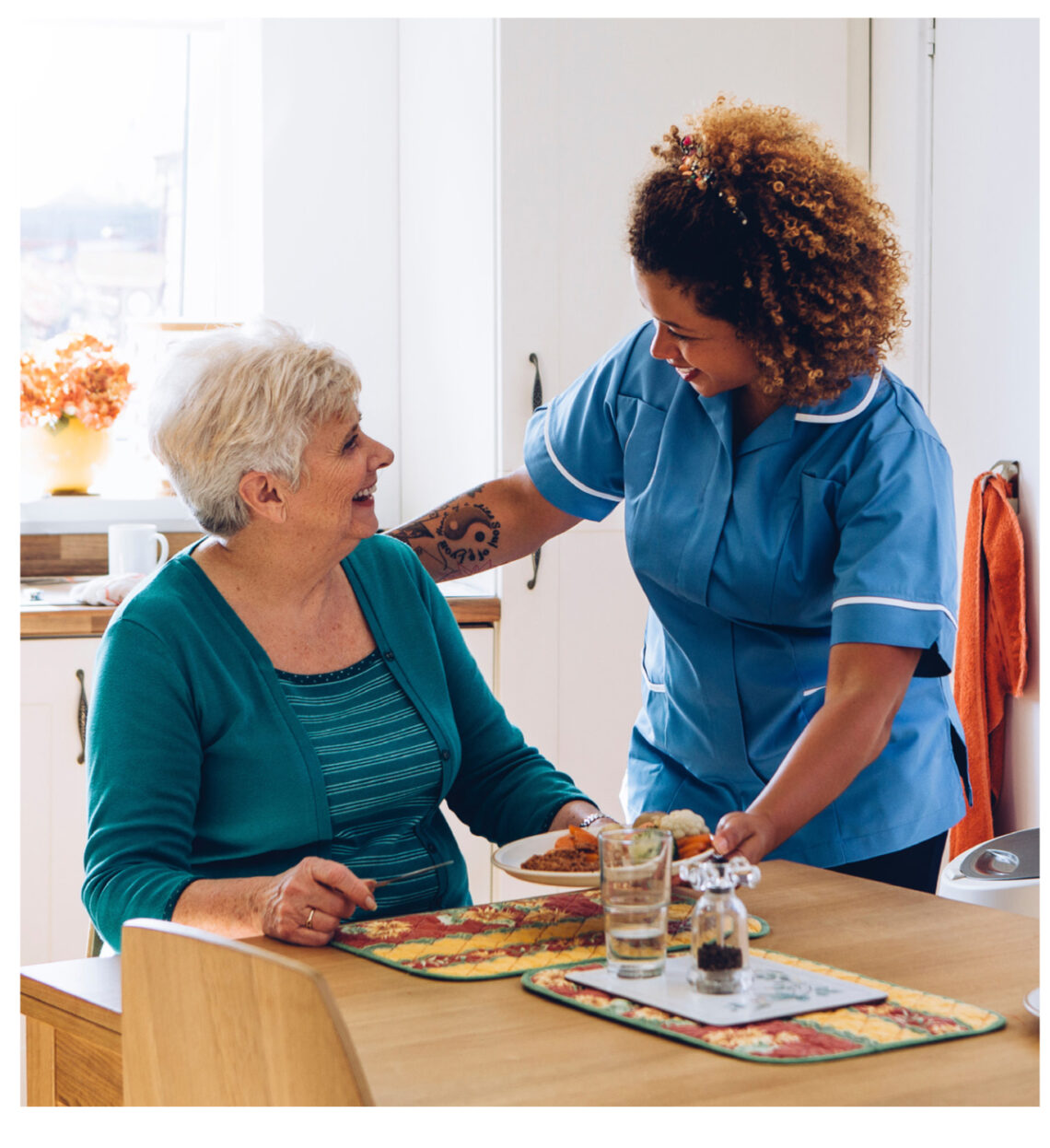

Parents lovingly and selflessly meet their children’s needs in an ongoing effort to ensure their safety, health, and well-being. In that respect, parents learn from both their children and their own parents how to be excellent caregivers.
As a champion of caregivers, former First Lady Rosalynn Carter said, “There are only four kinds of people in the world: those who have been caregivers, those who are currently caregivers, those who will be caregivers, and those who will need caregivers.” Unfortunately, despite Carter’s decades-long effort to bring attention, acknowledgment, and support to caregivers, most of us remain relatively ill-prepared to care for our parents as they become older adults.
The Need For And Impacts Of Caregiving
The silver tsunami (the large demographic shift of the baby boomer generation reaching retirement age) is upon us, and the need for caregiver education and support has never been greater. This shift has not only taken an immense toll on the greater economy (e.g., healthcare, business, and housing sectors), it has placed added economic and emotional burdens on families who are already struggling in these tumultuous times.
Those who care for their parents (especially while raising their own children and/or lacking adequate financial and social support) often wind up having to navigate challenging family dynamics and forgo their personal goals. With many of us already facing that reality, it’s encouraging to know that PD complements other caregiver approaches and resources.
Positive Discipline And Person-centered Care
The PD approach invites people to model the attitudes and behaviors they wish to teach. As such, PD, whether for parents of minor age children or for caregivers of older adults, begins and ends with the art and act of self-discipline.
After all, what is most in our control is how we manage our own thoughts, feelings, decisions, and actions. Concepts widely used in PD (e.g., the need for belonging and significance, connection as a means to discover the beliefs behind the behaviors, developmental appropriateness, trauma-informed care, mutual respect, encouragement, empowerment, and seeing mistakes as learning opportunities) dovetail nicely with what is known as person-centered care.
In the context of caring for older adults, person-centered care honors individuals’ choices, dignity, and personal histories, and it is tailored to their unique preferences, habits, and values so that they remain empowered (to the greatest extent possible and in consideration of their physical and cognitive abilities) to make their own decisions in the context of their daily lives.
This holistic and collaborative approach addresses people’s physical, emotional, social, and spiritual needs while prioritizing their voice in their care planning.
Further, it improves their quality of life, promotes their autonomy, dignity and self-worth, and reduces the stress and distress they endure if living with illness-related issues. Some examples of person-centered care for older adults include customized routines and meaningful engagement (both of which are aligned with lifelong habits/hobbies/interests, individualized and activity-based care-planning) and the creation of personalized environments that are familiar, comforting, accessible, and safe.
Caregivers’ Need For Education And Support
Caregivers of older adults face a variety of daunting tasks. They create safe and accessible environments, maintain paperwork, create/implement activities, help to plan end-of-life decisions, choose living and care arrangements, juggle finances, and manage challenging behaviors. As such, they need proper education and practical support.
Proper caregiver education ideally yields a working knowledge of the health issues that commonly affect older adults (e.g., dementia, strokes, depression/anxiety, diabetes, hypertension, sensory impairments, and pain), the diets, exercises, and medications that address those illnesses, and the tasks associated with what are known as activities of daily living (e.g., transferring in and out of beds/chairs, dressing, bathing/showering, eating/feeding, navigating/ambulating with or without accessible devices, using the toilet, and managing incontinence).
Such education also yields an informed awareness of and responsiveness toward what are referred to as social determinants of health (non-medical conditions under which people are born, grow, live, work, and age). Common social determinants of health that affect older adults include income instability, housing, safety, health literacy, and social isolation.
Practical caregiver supports include financial aid, respite care, transportation, food, housing, counseling, and support groups. Caregivers also need to be extremely attentive to their own (self-care) needs so as to mitigate the very real threat of isolation, hopelessness, depression, anxiety, resentment, and burnout.
Resources For Older Adults And Their Caregivers
The following is a list of resources in support of older adults and their caregivers: Community bridges’ family of programs including elderday adult day health care, enhanced care management, meals on wheels, and lift line, cabrillo college’s stroke and disability learning center, hospice of santa cruz county, del mar caregiver resource center, in home supportive services (through the county of santa cruz), alzheimer’s association, american association of retired persons, national alliance for caregiving, and the rosalynn carter institute for caregivers. Please share these resources widely with anyone who you think could/would benefit from them.
Concluding Reflections
It’s so important to treat older adults like the adults they are, which means that they deserve respect, dignity, and autonomy. After all, they have made countless sacrifices in support of our care. When we take on the caregiver role to repay that favor, however, we must prepare for the possibility that our parents’ time of need can unfortunately become ours as well. Thankfully, Positive Discipline helps to cultivate the culture of care we all need.