
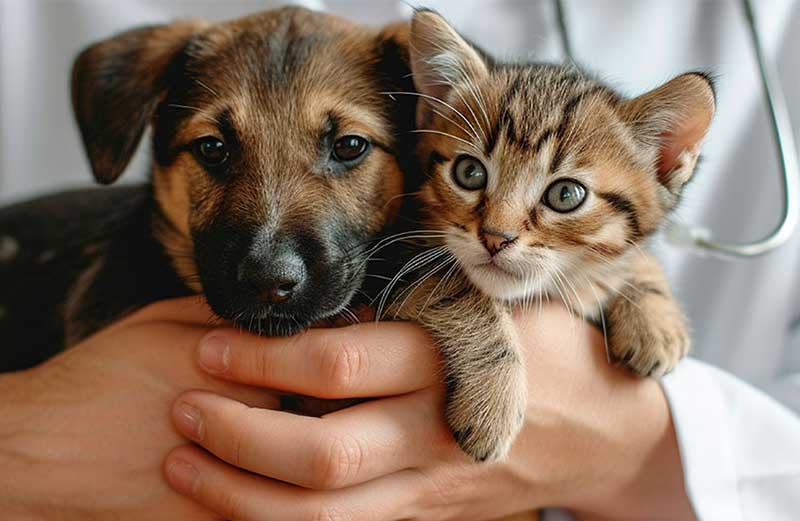

In planning for a pet’s health and wellness, many people have looked at and purchased pet insurance. If you are interested in learning more, here are a few general considerations and questions to think about:
ROUTINE CARE
Like for any family member, there will be routine medical costs. Yearly check-ups, vaccinations, and teeth cleaning are predictable. Ask your veterinarian for an estimate of these yearly routine costs so you can plan for them. Some pet insurance plans cover routine medical costs.
UNPREDICTABLE EXPENSES
For unanticipated costs such as injuries and sudden illness, or long-term conditions that any pet can develop, a pet insurance plan can be a wise investment. If a surprise financial health expense should come along that would be beyond your ability to pay or easily recover from, most pet insurance plans cover these expenses.
PET SAVINGS ACCOUNT
It’s a great idea to create a separate pet savings account and regularly set aside funds for costs not covered by your plan. Pet insurance plans can cover routine care, unexpected medical needs, or both, as well as extras like preventive and dental care depending on the policy. You should budget accordingly for the cost of your plan as well as for any types of expenses that may not be covered.
PET INSURANCE
When looking at a plan, be sure to find out how it works and what is covered.
- Is there a waiting period for the policy to become active?
- Is there a deductible? Are there co-pays?
- What conditions are included or excluded? What about pre-existing conditions?
- Do premiums increase with the age of the pet?
Is your pet a purebred? Some breeds are predisposed to congenital health issues.
Are special riders needed to cover a particular issue that applies to your pet?
Pet insurance can generally be used at any veterinarian’s office, and shouldn’t be limited to one practice. However, many veterinarians offer ‘wellness plans’ that can combine services and products at lower costs in return for loyalty. Make sure to look at what is covered and how costs compare to other plans.
Lastly, most people consider the best value of pet insurance is that it gives you peace of mind, allowing you to sleep easier with your pet by your side.
Based on resources from Joan E. DeNeffe of Fresh Start Dog Training and Birchbark Foundation
GIVING THANKS FOR YOUR PETS (AND KEEPING THEM SAFE!)
Thanksgiving is a special holiday that brings together family and friends. It also can bring some hazards for pets so follow these tips to keep them healthy and safe during the holiday:
KEEP THE FEAST ON THE TABLE
Plain, boneless, and skinless turkey is generally safe for pets in small portions, but other table scraps can be hard to digest. Many foods are poisonous to pets, including onions, raisins, and grapes and bones can cause choking or intestinal blockage.
NO PIE OR OTHER DESSERTS
Although small pieces of pumpkin can be a healthy snack for pets, pumpkin pie can contain ingredients that are toxic to animals. Chocolate and the artificial sweetener called xylitol can be deadly if consumed.
PUT THE TRASH AWAY
Dispose of turkey carcasses, bones, and any related trash in a tightly secured trash bag placed in a closed container outdoors or behind a securely closed door.
CAUTION WITH FESTIVE DECORATIONS
Some flowers and plants can be toxic to pets including amaryllis and baby’s breath plus, festive table decorations like corn cobs, pine cones, or gourds can cause choking or intestinal blockage if swallowed.
KEEP PETS SAFE WITH VISITORS
Remember that visitors can sometimes upset pets. If you know your dog or cat is nervous when people visit your home, put the animal in another room with a favorite toy.
Watch the exits. And, make sure your pet has proper identification with your current contact information particularly a microchip with up-to-date, registered information.
Consider your exotic pets. Some people are uncomfortable around exotic pets and these animals may be more easily stressed. For everyone’s safety, keep exotic pets away from your guest
When you’re visiting others… Whether you take your pets with you or leave them behind, take steps to safeguard them when traveling.
Source: avma.org/resources-tools/pet-owners/petcare/thanksgiving-pet-safety
Edited by Nga Trinh-Halperin, Executive Director of the Santa Cruz County Animal Shelter Foundation. One of the Foundation’s proactive goals is to keep animals happy and healthy at home (and out of the Shelter whenever possible)!
As the largest and most comprehensive animal care and rescue organization in the community, the open-admission Santa Cruz County Animal Shelter takes in about 7,000 animals each year. Government funding is limited, so we depend on our community to sustain our life-saving and pet homelessness prevention programs. The Shelter’s sister nonprofit Foundation helps to cover the costs for core services such as animal control; licensing and rabies vaccinations; safe housing for strays and surrenders; and intervention in animal abuse cases. The Foundation is also proactive in tackling root causes of animal overpopulation and suffering by offering prevention programs, exceptional medical care, humane education and community outreach.