
Any dog can bite: big or small, male or female, young or old. Even the cuddliest, fuzziest, sweetest dog can bite if provoked. Remember, it’s not a dog’s breed that influences whether the animal will bite, but rather the dog’s individual history and behavior. Fortunately, there are several things we can do to be proactive and prevent dog bites in the first place.
First, let’s understand that dogs may bite for a variety of reasons, but most commonly as a reaction to: Feeling scared, startled, or defending their territory; Guarding something valuable like their puppies, food, or toys; Feeling unwell or in pain, as when sick or injured.
Dogs also might nip and bite during play, especially puppies who are teething. Even though this may be fun for the dog, it can be dangerous for people if not properly managed.
Although media reports and rumors often give the impression that certain breeds of dog are more likely to bite, there is little evidence to support those claims. It’s more important to address the factors that we know increase the chance of a bite occurring.
Choose Wisely
Start off your relationship on the right foot by choosing a dog that will fit well with you, your lifestyle, and your household, including other pets. Socialize your dog. Gradually exposing your puppy to a variety of situations under controlled circumstances can help them feel more at ease when around other animals and people. It’s even better if you continue that exposure regularly as your dog gets older.
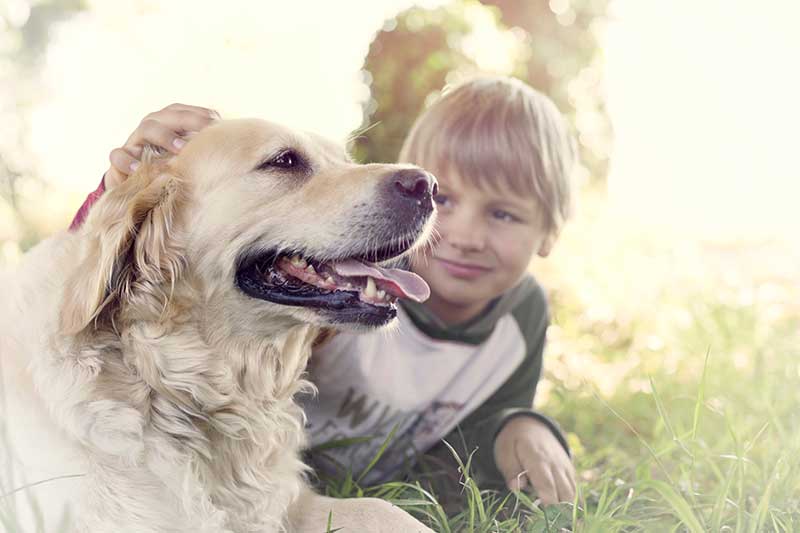
Take extra care with young children. Always supervise young children when around dogs. Also carefully manage introductions of children or a new dog to your household, and consider waiting until your children are older than 4 years before adopting a new dog.
Train your dog. The basic commands “sit,” “stay,” “no,” and “come” can be incorporated into fun activities that build a bond of obedience and trust between pets and people. Avoid highly excitable games like wrestling or tug-of-war, which can increase the risk of a nip or a bite.
Keep your dog healthy. Vaccinations, parasite control, and regular checkups are important because how dogs feel can affect how they behave. Dogs in pain are more likely to bite. Also be sure to regularly walk and exercise your dog to support their health and provide mental stimulation.
Take Precautions
Obey leash laws and maintain control of your dog. Make sure your gates and fenced yard areas are secure. It also may help to spay or neuter your dog, and your veterinarian can walk you through the benefits and risks of these procedures.
Be alert. Know the signs that your dog is stressed, uncomfortable, or showing aggression, and be prepared to take action when needed. If your dog seems uneasy, remove them from the situation. If the behaviors seem excessive, consult a veterinarian for cause and treatment.
Tips For Parents And Caregivers
Parents and caregivers should keep these tips in mind especially: Never leave a baby or small child alone with any dog. Be alert for potentially dangerous situations, and take measures to prevent or stop them from escalating. Teach children—including toddlers—to be careful around and respectful of pets. Teach children not to approach strange dogs or try to pet dogs by reaching through fences. Teach your children to ask permission from the dog’s owner before petting any dog.
Other Tips For Preventing Dog Bites
Approach slowly and calmly when meeting a new dog, and don’t loom over them. Avoid direct eye contact with unfamiliar dogs or approaching them straight on, as this may seem threatening. Don’t run past a dog. Dogs naturally love to chase and catch things. Don’t give them a reason to become excited or aggressive. Never disturb a dog that’s caring for puppies, sleeping, or eating. Never reach through or over a fence to pet a dog. Dogs can be protective of their territory and may interpret your action as a threat. If a dog approaches to sniff you, stay still. In most cases, the dog will go away when they determine you are not a threat. Try to stay still until the dog leaves, or back away slowly until the dog is out of sight. Don’t turn and run. If you fall or are knocked to the ground, curl into a ball with your hands over your head and neck. Protect your face.
If you or your pet are bitten, call the Santa Cruz County Animal Shelter dispatcher. Animal Control Officer Cynthia Meidinger reiterates the proactive approach to minimize the likelihood of this situation, stating, “In my years of experience, I see that most bites are preventable—asking first, moving slowly, and giving animals space helps keep everyone safe.”
Pet Of The Month: Thor
Meet Thor, a very handsome boy with a joyful, happy-to-be-alive spirit. He was surrendered when his previous family lost their housing and, though heartbroken, wanted the best for him. Thor loves playing fetch and happily splashes into water whenever he can. He knows sit, stay, and lay down, especially for treats. Mostly potty trained, he may have accidents if left too long but can use a pee pad. Thor enjoys durable chew toys and loves romping with other dogs, though his size may overwhelm smaller pups. He may chase cats. Neutered and ready, Thor awaits his forever best friend.