For many children, emotions are not something that can easily be put into words. While adults often rely on conversation to process feelings, children experience their inner world differently. Their bodies respond to stress, excitement, frustration, and joy long before language develops enough to describe those experiences. Because of this, creative expression often becomes a more organic way for children to process what they are feeling.
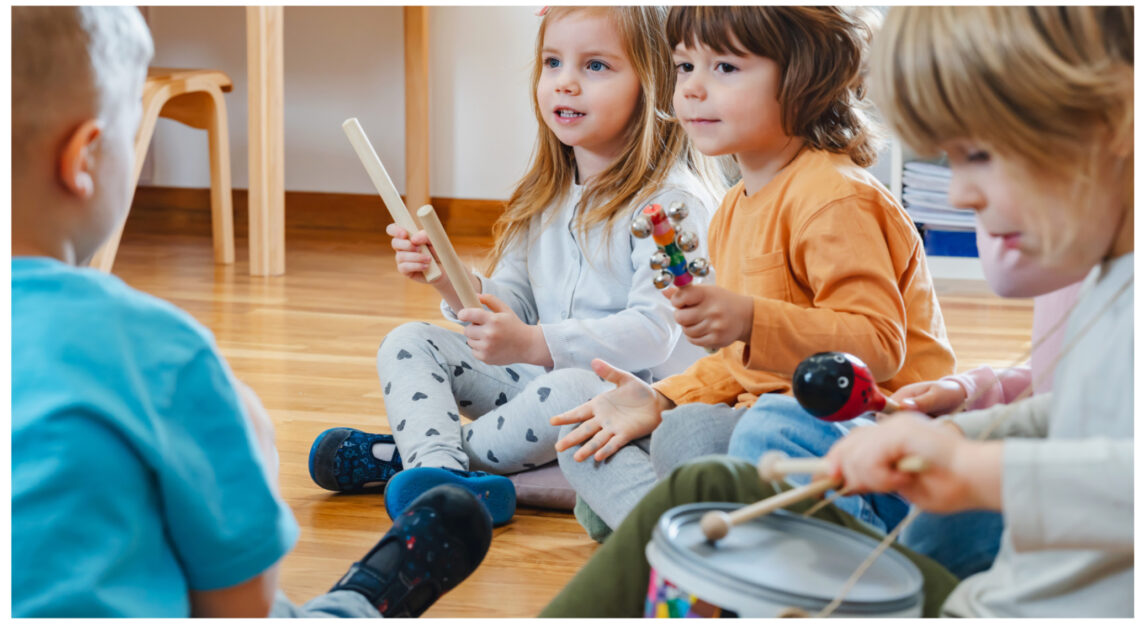
Art, music, movement, and imaginative play offer natural pathways for children to explore and release emotion. These experiences give children a way to engage with what they are feeling without needing to explain it. Creative expression is not simply an activity. It is part of how children make sense of their experiences.
When children are given space to create freely, something shifts. We begin to see glimpses of what is happening beneath the surface.
A child may draw with intensity after a difficult moment. Another may spend long stretches building, focused and steady. Some children move, climb, spin, or dance as a way of working through energy in their bodies. These are not random behaviors. They are meaningful expressions.
For some children, especially those who are neurodivergent, creativity can be one of the most accessible ways to communicate.
Many children with autism or ADHD experience the world through heightened sensory awareness and strong body-based responses. Some children may also be minimally verbal or non-verbal, meaning they communicate in ways that do not rely primarily on spoken language. For these children, expression may come through rhythm, repetition, movement, or interaction with materials.
A child who struggles to explain how they feel may still show us through what they create, how they move, or how they engage. When we offer space without pressure or expectation, children are able to express themselves in ways that support regulation.
Hands-on activities such as painting, working with clay, building, or moving to music can help the body settle.
Many children experience busy schedules and constant stimulation, creative play offers something different. It creates space to slow down.
In these moments, there is no right or wrong way to participate. Children are free to experiment, follow their curiosity, and engage at their own pace. This kind of freedom builds confidence and supports a sense of ease within the body.
Parents sometimes worry that they are not artistic or that their child is not interested in art. But creativity does not require special talent or structured activities. Some of the most meaningful experiences happen through simple, open-ended play. A child might draw, build with cardboard, collect natural materials, or invent stories through imagination. What matters is not what is created, but the experience of creating.
In my work with children and families, including through the developing programs of The Spectrum School, I often see how creative experiences support regulation, connection, and engagement. When children feel free to express themselves, their ability to participate shows up in a beautiful way.
Parents can encourage their children at home in simple ways by having materials available, incorporating music and movement into daily life, and allowing space for unstructured play.
These moments do not need to be planned or perfected. Often, the most meaningful experiences happen organically.
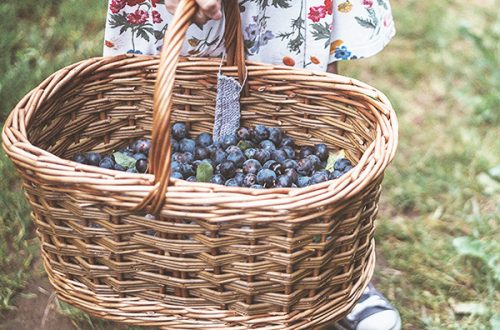
Nature can also be a powerful extension of this. A walk can become an opportunity to gather materials, notice patterns, and engage with the environment in a sensory way. Equally important is the environment around the child.
Within our community, opportunities for creativity are everywhere.
Families will have an opportunity to explore many of these creative and community resources at Kids Day in Downtown Santa Cruz this May, a local event that celebrates children, families, and the joy of learning and playing together.
In a time when so much of childhood can feel structured and fast-paced, creativity offers something different. It invites children to slow down and engage with the world in a way that feels unhurried and open, where they can express themselves in ways that feel natural and safe.