
The polyvagal theory, introduced by Stephen Porges, has shifted how many of us understand behavior, connection, and emotional well-being. At its core, it offers a simple but powerful reframe.
Children are not misbehaving. They are responding. And what they are responding to is their nervous system. When we begin to see children through this lens, everything changes. Instead of asking, “What’s wrong with this child?” we begin to ask, “What is their nervous system experiencing right now?”
This shift matters because behavior is communication. In many settings, including schools, we see behaviors that feel confusing or overwhelming. A child who cannot sit still. A child who avoids or shuts down. A child who pushes, runs, or reacts quickly. Through a nervous system lens, these are not problems to fix. They are states to understand.
Polyvagal theory helps us recognize that children move through different states of safety and stress throughout the day. When a child experiences a sense of safety and connection, their body is more available for engagement, relationship, and learning. When that sense is disrupted, the body shifts into protection. This might look like movement and impulsivity, withdrawal, or big emotional reactions. Not because they are choosing it, but because their nervous system is doing its job.
You may have come across approaches that focus on reflex integration, supporting early patterns in the body that shape how a child moves, processes, and responds to the world. At the core, this reflects something important. The nervous system plays a central role in how children experience everything. And when the body does not feel settled, it can show up in big behaviors, constant movement, or difficulty engaging.
In my work, I hold this understanding and expand it. Because while the body is essential, children don’t learn to regulate on their own. It happens through connection. Through co-regulation. Through feeling safe with another human. Through being understood, not managed.
When we support the nervous system within relationship, we are helping children build trust in their bodies, their environment, and the people around them. That is where meaningful, lasting change begins. But what does feeling safe in the body actually mean? It does not mean everything around a child is calm or that they are always still or well-behaved. Safety in the body is an internal experience. It is when a child’s nervous system senses, “I am okay here. I do not need to protect myself right now.”
When a child feels more at ease internally, their breathing becomes steadier, their body softens, and they are more available for connection and engagement. It does not mean they never struggle. It means their system has the capacity to return. When that sense of safety is not present, the nervous system shifts into protection. Some children become more active, seeking movement or acting impulsively. Others shut down, avoid, or disconnect. Some move between both.
These are not choices in the way we often think of behavior. They are responses from a body trying to find stability. This is why internal safety matters so much in learning. Because meaningful learning is not just about instruction. It depends on a child’s ability to be regulated enough to take in and process what is being offered. When a child’s system is in protection, their brain is focused on survival. There is little capacity left for processing information, following directions, or engaging socially.
But as the body shifts out of protection, those pathways begin to open. Attention becomes more available. Connection becomes easier. Learning becomes possible. And this is true for all children, including children with autism and children with ADHD. This understanding offers us an opportunity to gently evolve how we support children within our schools.
Classrooms are often designed around structure, timing, and group expectations. These systems exist for good reason, and educators are doing meaningful work every day. At the same time, many young children move through a school day filled with frequent transitions. They may be asked to engage in an activity briefly and then quickly shift to the next. For some nervous systems, especially in early childhood, this constant shifting can feel activating rather than supportive. Transitions require flexibility, energy, and a sense of steadiness in the body. When those pieces are not in place, even small transitions can feel big internally.
The language we use with children also matters. Phrases like “first work, then play” are common, yet they can unintentionally create pressure. In early childhood, learning is not separate from play. It happens through play. When we shift our language, we shift the experience. Inviting a child into an activity, joining them in curiosity, or framing learning as engaging rather than something to get through can make a meaningful difference in how their system responds.
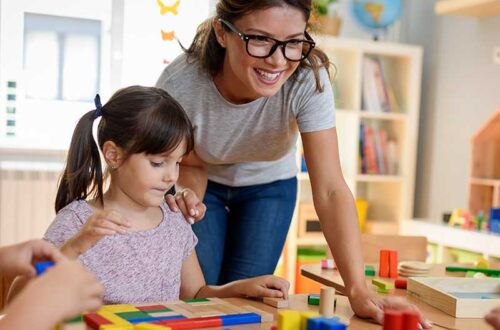
Learning is supported by instruction, but it is made possible through regulation. This does not mean removing structure. It means expanding support. It might look like creating spaces where children can move and reset without shame. Responding with curiosity before correction. Using collaborative language. Weaving moments of connection into the day. These are small shifts, yet deeply impactful. Because when children feel supported in their bodies and secure in their relationships, learning becomes more accessible. This perspective also reminds us that children do not regulate alone. They co-regulate with us.
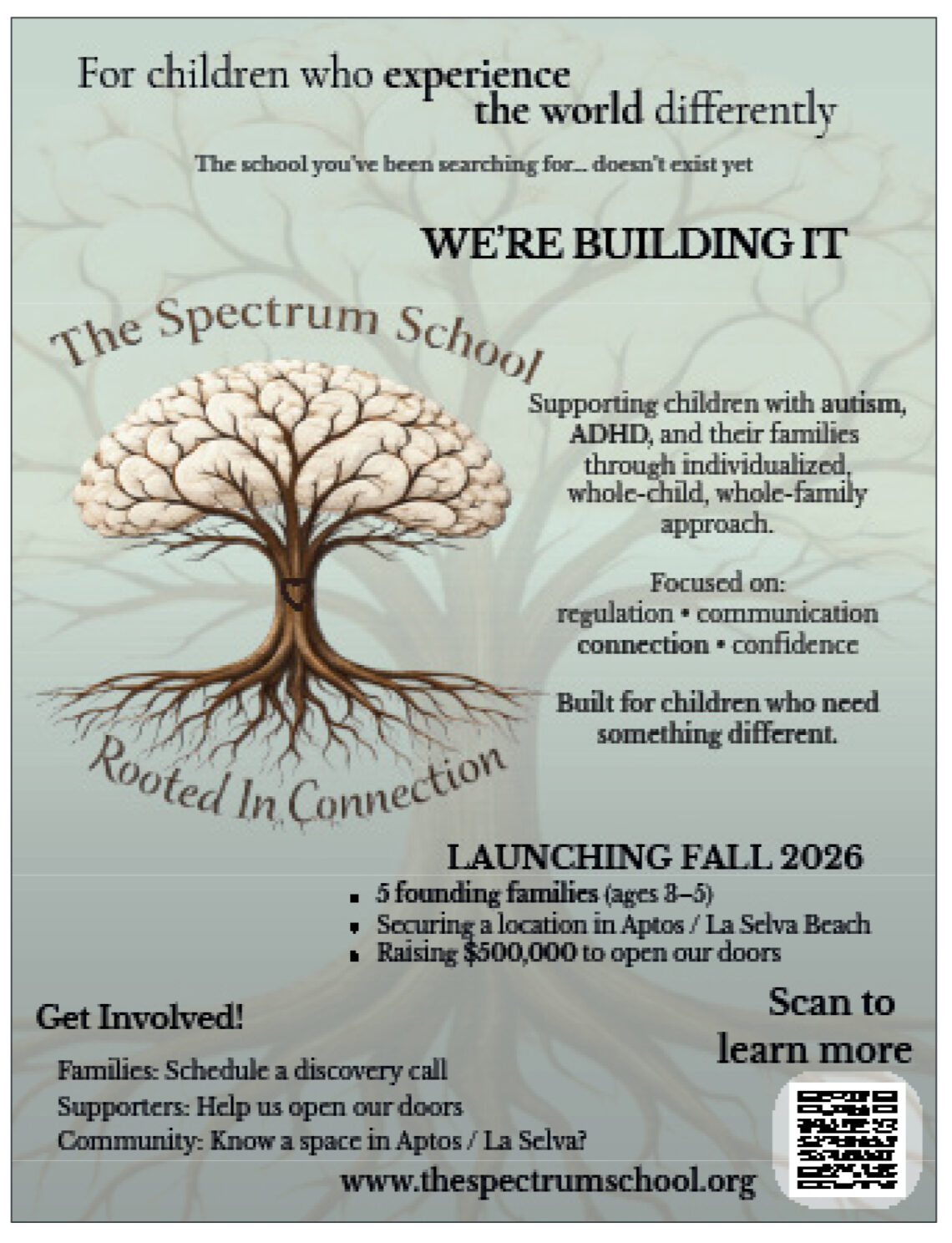
Which means the nervous systems of parents, teachers, and caregivers matter too. When adults feel supported and steady, children feel it. This is not about perfection. It is about awareness and support for everyone involved. This lens also inspired The Spectrum School, a developing early childhood program here in Santa Cruz County. We are in the early stages, focused on fundraising, grants, and building community support. The need in our community is clear. Many families are looking for learning environments that understand the nervous system, honor sensory needs, and prioritize connection. The intention is to create a space where children with autism and children with ADHD feel supported in their bodies, grounded in relationship, and able to engage in learning in a way that works for them. The polyvagal theory reminds us of something deeply human. Connection is not a luxury in development. It is the foundation. When we begin to see behavior through the lens of the nervous system, we move toward understanding. And from that place, something powerful happens. Children feel more secure. Relationships deepen. And learning unfolds in a more natural and sustainable way.