
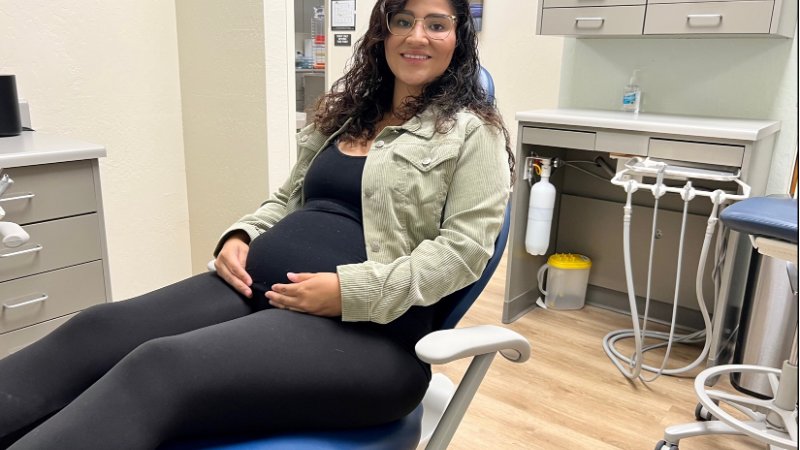

When preparing for a new baby, many expectant parents focus on prenatal checkups, baby showers, and preparing homes for the baby. But there’s one essential step that often gets overlooked: visiting the dentist. Dental care during pregnancy is not only safe, but also essential for both the pregnant parent and the baby’s long-term health.
Good oral health supports more than just a bright smile. It plays a key role in nutrition, speech development, heart health, and self-confidence in both the parent and baby.
Oral Health In Pregnancy: Why It’s Important
During pregnancy, maintaining oral health becomes even more important due to hormonal changes and increased vulnerability to dental issues. Pregnancy can raise the risk of cavities and gum disease. Morning sickness, for example, exposes teeth to stomach acid, which can erode enamel and increase the risk of tooth decay. Cravings for sugary foods and drinks can also contribute to cavities.
Fatigue and the demands of preparing for a baby may cause some parents to skip brushing or postpone dental visits. Hormonal changes can also make gums more sensitive and prone to inflammation, leading to gingivitis. If left untreated, gingivitis can progress to periodontitis—a more serious form of gum disease that can result in tooth and bone loss. Alarmingly, periodontitis has been linked to preterm birth and low birthweight.
Protecting Baby’s Smile Takes A Village
It’s important that both parents and close caretakers maintain good oral health to protect the baby’s oral health. Higher levels of cavity-causing bacteria (like “Streptococcus mutans”) in a parent’s or caretaker’s mouth can be passed to the baby through everyday behaviors such as kissing baby’s mouth, sharing utensils, or cleaning a pacifier with the mouth. This early transmission can increase the child’s risk of developing cavities later in life. Treating cavities and reducing harmful bacteria in adults caring for the baby all contribute to healthier oral health for the baby.
Santa Cruz County Public Health Supports Oral Health
Recognizing the importance of oral health during pregnancy, Santa Cruz County Public Health has integrated dental care into two of its public health home visiting programs: Nurse Family Partnership and Trauma-Informed Approach Field Nursing. These programs connect Medi-Cal eligible pregnant individuals with a dedicated Public Health Nurse (PHN) each a Bachelor of Science-prepared nurse with additional certification in Public Health.
PHNs provide health education, support, and connections to health promoting resources throughout pregnancy and the early parenting years (up to age five). Oral health is assessed at intake and revisited throughout the perinatal period. Thanks to strong partnerships with local dental clinics, PHNs help clients schedule timely dental appointments and navigate insurance or payment options. The home visiting nurses also receive oral health resources and education from the County’s Oral Health Program, which promotes oral health through education and advocacy.
Local Dental Clinics Offering Priority Care
Santa Cruz County has two outstanding dental care providers—Dientes Community Dental Care (in Santa Cruz and Watsonville) and Salud Para La Gente (in Watsonville)—that offer priority appointments for pregnant patients with Medi-Cal. These clinics understand the time-sensitive nature of prenatal care and are committed to making dental visits accessible and welcoming. Be sure to let the receptionist know you are pregnant to receive a priority appointment.
If you have Medi-Cal, you have dental coverage for exams, cleanings, fillings, and more. If you have private insurance, check your plan for dental benefits. If you don’t have insurance, ask your local dental office about sliding-scale fees or payment plans. You don’t need a referral from your OB- GYNB to see a dentist, though some dental offices may request one.
Simple Steps For A Healthy Smile
Here are a few easy ways to maintain good oral health before, during, and after pregnancy:
- Visit the dentist—dental X-rays are safe during any trimester.
- Brush twice a day with fluoride toothpaste and floss daily.
- Schedule cleanings twice a year, especially during pregnancy.
- Avoid sharing utensils with your baby or cleaning pacifiers with your mouth.
- Take your baby to the dentist by their First Tooth or First Birthday.




3 Comments
Salomon techamphibian 5 water shoes
Absolutely loved reading this!
puma mens
Clear, concise, and effective.
tv live free online
I love the structure of your explanation.