The first thing I noticed about AI art, writing, and music was how technically perfect it was. The next thing I noticed after about thirty seconds was how perfectly banal it was. This was a few years ago and now that the novelty has worn off, the reality of AI technical perfection has, I believe, begun to separate those who experience it as something new and amazing from those who see its perfection as soulless and boring.
Technical perfection has long been coded into culture as a standard that measures the value of achievement. In athletics – say Olympic gymnastics – the standards of perfection are built into the sport. The look, skill, style and attitude of a performance is judged by a committee using a numbered grading system. Technical perfection is the goal.
Classical opera has always maintained a similar high standard of technical performance. Operatic voices are trained like athletes to sing in a way unnatural to the voice, to get the volume and tone needed to reach a large audience. Individual style is suppressed, while the rigor of the tradition is stressed. People not familiar with it sometimes can’t tell one tenor from another. But opera is not a celebrity art form, as is popular music.
Before WWI, the voices of operatic singers like Enrico Caruso were considered the gold standard of culture. By 1926 Louis Armstrong, with his gravel voice and original style that broke every rule of classical music, made those standards irrelevant when it came to Jazz and Pop music. And so there was a further cultural split between “high” art and “low” art, between “perfection” and “trash.” By the 1940s, radio made personalized style into the new standard. Nobody else sounded like Bing Crosby, Billie Holiday, Frank Sinatra or Nat Cole. Sure there were imitators, but even they had to have something to make them look and sound a little different.
Impersonations were acceptable only as comedy or drag. Up until the 1950s the gatekeepers of the music industry kept the doors closed for anyone who didn’t have exceptional talent and technical skill. Then came Rock ‘n Roll. Little Richard, like Louis Armstrong, blew the doors off popular music with a sound so primitive and explosive there was no way anyone who considered themselves “cultured” could accept it. Teenagers, of course, loved it. It felt like freedom. For nearly a decade technical perfection was unnecessary. Rock ‘n Roll was rough, raw, rude and untamed.
However, the desire for perfection returned when multitrack recording was introduced in the mid-1960s. The interest in making “perfect” recordings grew as the tech industry contributed all kinds of enhancements. From effects boxes, to rhythm machines and auto-tune apps, the desire for perfection in recording kept advancing until the introduction of AI.
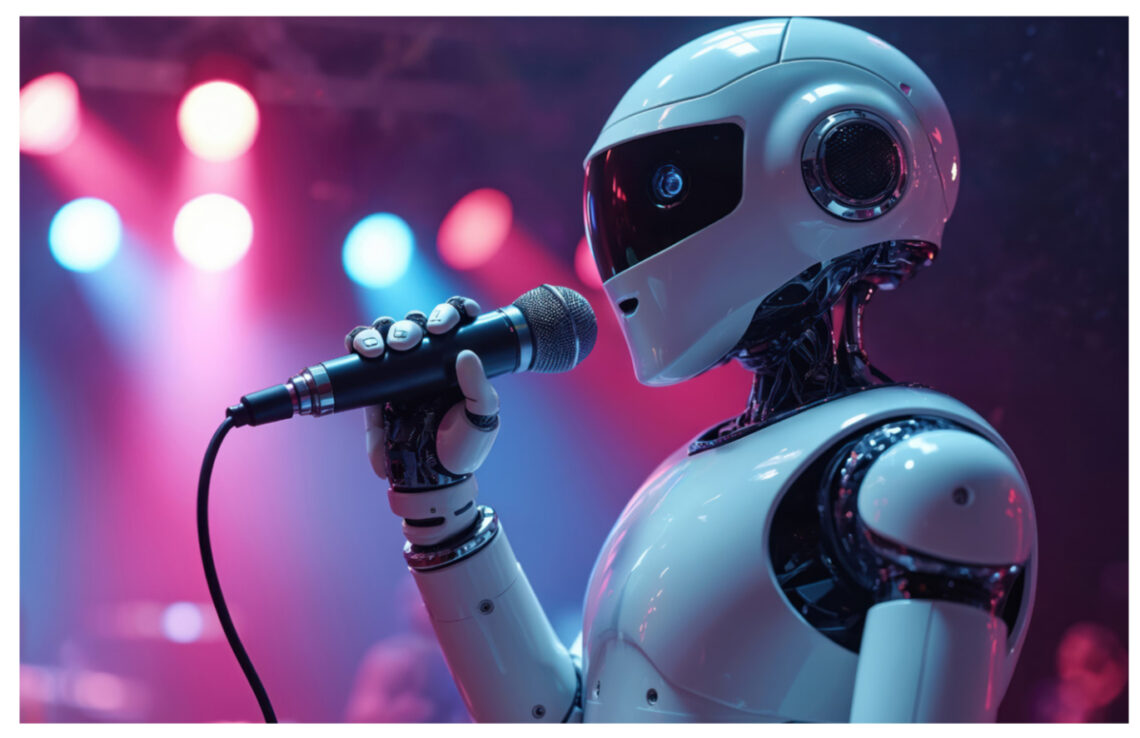
With AI, technical perfection is guaranteed. Last year I heard an AI generated R&B song that was flawless in every aspect – perfect production, perfect performance, perfect arrangements and perfect songwriting. By the second time I listened to it I thought “Wow, so what?” Something about it was too perfect. Maybe this is because it’s such a new thing, but from AI music to AI art, video and writing, there is one thing that refuses to go away – a soulless lack of humanity. It sounds, looks and feels like humanity. It sounds, looks and feels like simulation, not something produced by human hands, heart and voice. However, it is indeed technically perfect. Some people like that.
The impulse toward perfection will never go away. It is nearly as strong in music as the desire for authenticity. There are those who will never accept AI while others will continue to embrace it. Perhaps there will come a time when no one can tell the difference anymore. I hope not. But no matter what, I’m sure that enough of us will be led by our imperfect hearts, hands, voices and bodies to keep making imperfect human music until we tune into a deeper, more authentic level of perfection than the merely technical. AI, by inhumanly mastering the illusion of technical perfection, may actually be helping us be more human.