
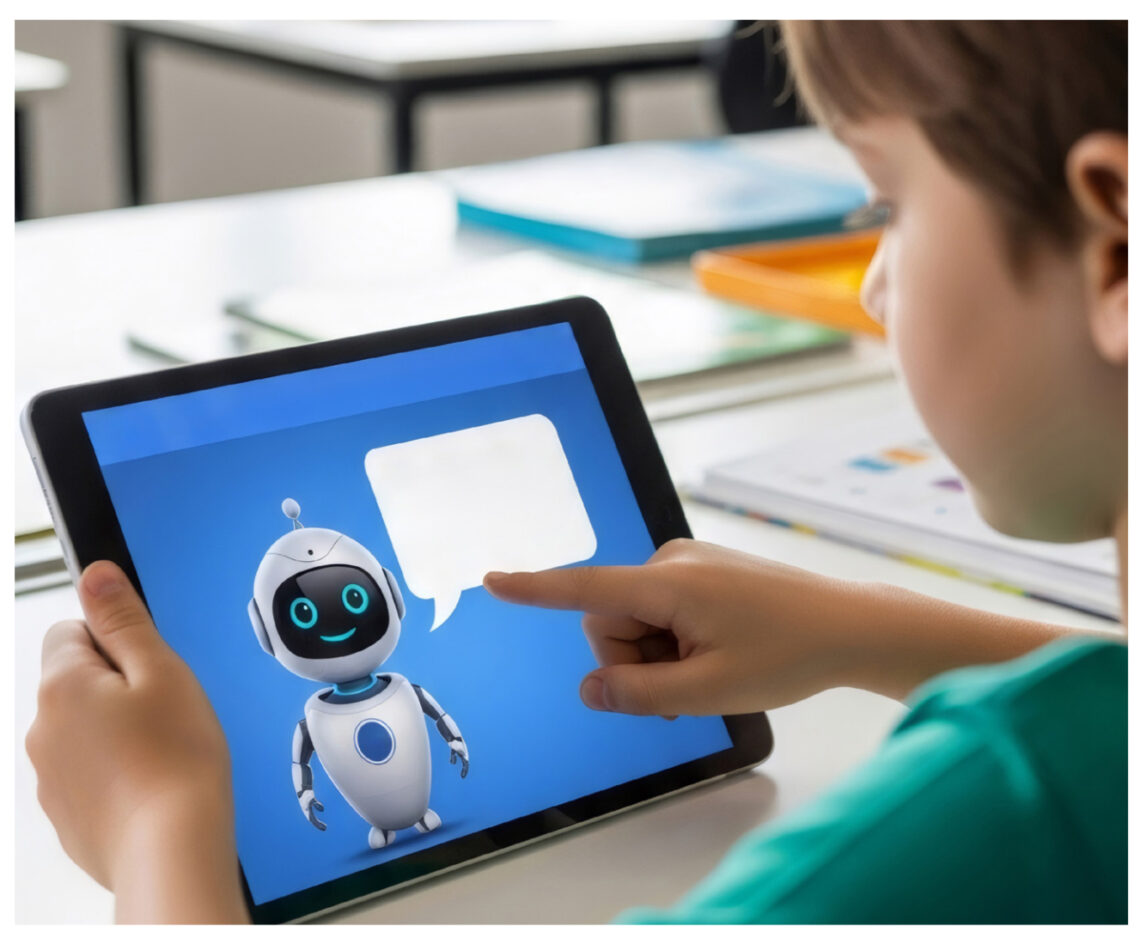
Parents have always worried about who their children talk to online. Now there is a new concern: What if the person your child trusts most isn’t a person at all?
Children and teens are turning to artificial intelligence chatbots for help with homework, friendship problems, family conflicts, anxiety, dating, and depression. Some talk to chatbots every day and begin to think of them as friends or counselors.
Unlike a real friend, a chatbot is available 24 hours a day. It doesn’t get tired of listening, get jealous, or say it is too busy. It can remember details and respond in ways that feel reassuring.
That may feel comforting. But chatbots don’t actually care about our children. They don’t understand emotions, recognize danger the way a responsible adult would, or know the whole story behind a child’s question. They generate responses from data and are designed to keep children engaged and conversations going. A confident answer isn’t necessarily a correct or safe answer.
On September 10, Governor Gavin Newsom signed laws protecting children from social media and artificial intelligence. They require safeguards for AI companion chatbots, including parental controls, safety assessments, crisis protocols, and notifications when safety settings are disabled.
These protections are an important start, but laws cannot monitor what happens in our homes. Parents need to know how their children are using AI.
Start By Asking, Not Accusing
Ask your children if they use ChatGPT or chatbots, what they ask, and how often they use them. Try saying, “Show me something interesting you asked AI this week.” This opens the door without making your child feel interrogated.
If we immediately criticize or punish children, they will hide their AI use. We want them to tell us when a chatbot says something strange, frightening, sexual, manipulative, or wrong.
Watch for changes in behavior. Is your child spending long periods talking with a chatbot? Do they become upset when access is interrupted, call the chatbot a best friend, prefer AI to family and friends, or hide conversations? One sign doesn’t necessarily mean danger, but it calls for a conversation.
Establish Family Guidelines
Every family should establish guidelines now. Children should never give a chatbot their full name, address, school, phone number, passwords, medical information, or photographs. They should not use AI to diagnose a mental health condition. Information shared with an online service may be stored or used in ways the family never intended.
Make it clear that if a child feels depressed, unsafe, threatened, or unable to cope, they need to talk to a real person. That might be a parent, teacher, counselor, doctor, coach, relative, or another trusted adult.
AI can help brainstorm a science project, explain a math concept, or edit an essay. It should not replace human relationships or make serious decisions for a child.
We cannot ban every new technology and expect children to avoid it. AI is already part of education and workplaces. Our job is to teach them to use it safely and responsibly.
Sit beside your child and try a chatbot together. Ask a question and check the answer. Ask for advice and discuss whether it makes sense. Show your child that AI can make mistakes and sound certain when it is wrong.
Remind your child that no chatbot can replace a parent’s love, a friend’s loyalty, or the judgment of a caring adult. Technology changes. Our children still need what they have always needed: attention, conversations, clear boundaries, and adults who listen.
Give your child a bear hug and tell them you love them.